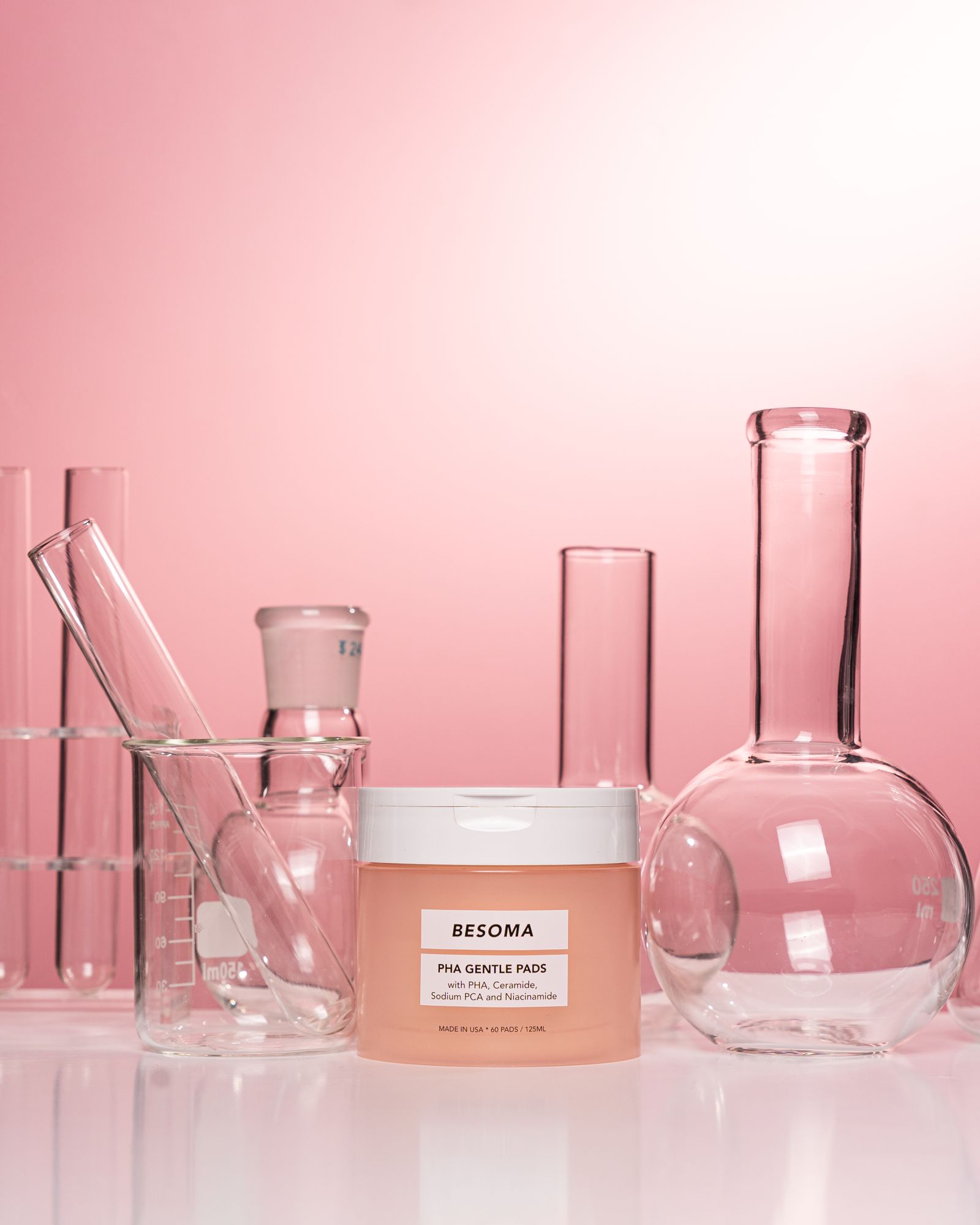
Bioanalytical skincare uses natural and organic components in skincare products, as well as the integration of nanotechnology in the formulation process — aiming to protect facial skin without harsh chemicals, preservatives, or artificial fragrances. As consumer awareness of ingredient safety and environmental impact grows, bioanalytical approaches are reshaping the beauty industry toward formulations that are both efficacious and ecologically responsible.
What Is Bioanalytical Skincare?
At its core, bioanalytical skincare applies the rigour of analytical biochemistry to the selection, characterisation, and testing of cosmetic ingredients. Rather than relying on synthetic compounds whose long-term dermal effects may be poorly understood, it draws on plant-derived actives — polyphenols, flavonoids, terpenoids — whose biological activity can be precisely quantified using techniques such as high-performance liquid chromatography (HPLC), mass spectrometry, and in-vitro cell assays. This evidence-based approach allows formulators to select ingredients not simply because they are "natural" but because they demonstrably interact with skin biology in beneficial ways: reducing oxidative stress, inhibiting inflammatory mediators, or stimulating collagen synthesis. The result is a class of products that are simultaneously cleaner, more transparent in their claims, and more rigorously validated than many conventional cosmetics.
The Role of the Skin Microbiome
One of the most exciting frontiers in bioanalytical skincare is the science of the skin microbiome — the complex ecosystem of bacteria, fungi, and viruses that colonise the skin surface. Far from being merely contaminants, these microorganisms play an active role in skin barrier function, immune modulation, and protection against pathogens such as Staphylococcus aureus. Conventional cleansers and preservatives can disrupt this ecosystem, stripping beneficial species and leaving the skin vulnerable to inflammation and infection. Bioanalytical skincare formulations designed with microbiome integrity in mind use gentle, pH-balanced surfactants and prebiotic ingredients — such as inulin, beta-glucan, and niacinamide — that selectively nourish commensal bacteria. Emerging microbiome-sequencing technologies now allow brands to personalise formulations based on an individual's unique microbial profile, marking a significant step toward precision dermatology.
Nanotechnology in Formulation
One of the most significant technical advances in bioanalytical skincare is the application of nanotechnology to ingredient delivery. Active compounds such as retinoids, vitamin C, and botanical extracts are often chemically unstable or poorly absorbed through the stratum corneum. Encapsulating them within nanocarriers — liposomes, niosomes, solid lipid nanoparticles, or polymeric nanocapsules — overcomes both problems simultaneously. The nano-scale architecture protects the active from oxidation and light degradation, extends its shelf life, and enables controlled, sustained release into the deeper epidermal and dermal layers where it can exert its biological effect. Critically, the choice of nanocarrier material is guided by bioanalytical testing: cytotoxicity assays, permeation studies across reconstructed human epidermis, and pharmacokinetic modelling ensure that the system is both safe and effective before it ever reaches a consumer. This intersection of biotechnology and cosmetic science is rapidly closing the gap between pharmaceutical-grade delivery and everyday skincare.
Building a Sustainable Bioanalytical Routine
Transitioning to a bioanalytical skincare routine does not require overhauling every product at once. Begin by auditing your current regimen using an ingredient-transparency database to identify synthetic fragrances, parabens, and harsh sulfates that offer little benefit and potential disruption to the skin barrier. Replace high-impact steps first: swap a conventional foaming cleanser for a low-surfactant, pH-balanced formula; introduce a prebiotic serum to support the microbiome; and choose a broad-spectrum SPF that uses mineral filters (zinc oxide, titanium dioxide) rather than chemical UV absorbers. When selecting actives, look for products that cite clinical or in-vitro evidence on packaging inserts and prioritise brands with third-party ingredient verification. Sustainable packaging — refillable glass, recycled PCR plastics, or waterless concentrated formats — amplifies the environmental benefit of cleaner formulations. Finally, remember that consistency matters far more than complexity: a streamlined, evidence-based three-to-four step routine applied daily will outperform an elaborate twelve-step protocol followed sporadically.