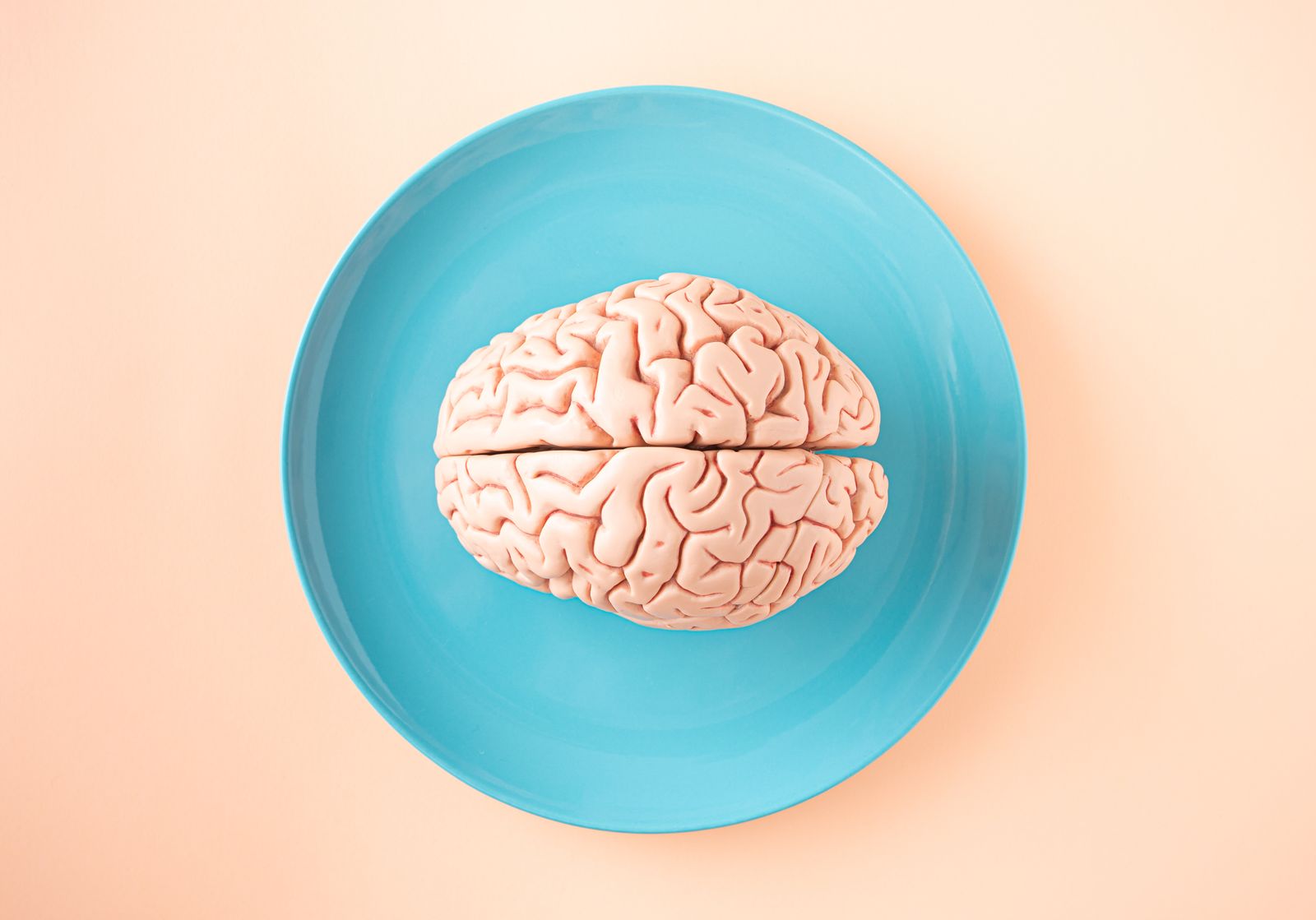
Empathy is a vital component enabling humans to understand and relate to others' feelings — identifying and sharing the thoughts and emotions of others, envisioning why someone may be feeling a certain way, and caring about their well-being. Far from being a vague social skill, empathy is a deeply biological phenomenon with measurable neural correlates, shaped by millions of years of evolution to support cooperation, bonding, and survival in social groups.
Defining Empathy: More Than a Single Feeling
Researchers distinguish between several overlapping forms of empathy. Cognitive empathy refers to the capacity to understand another person's perspective or mental state — sometimes called "theory of mind." Affective empathy, by contrast, is the direct sharing of another's emotional experience: feeling their pain, joy, or fear as if it were your own. A third dimension, compassionate empathy, combines understanding and feeling with a motivation to help. These distinctions matter because they recruit partially different brain systems, can vary independently across individuals, and have distinct implications for health, relationships, and moral behaviour. Conditions such as autism spectrum disorder and psychopathy are associated with specific disruptions to one or more of these components, underscoring that empathy is not a monolithic capacity but a layered, multidimensional one.
Neural Mechanisms: Mirror Neurons, the Insula, and the Anterior Cingulate Cortex
The discovery of mirror neurons in the premotor cortex of macaques — cells that fired both when a monkey performed an action and when it observed the same action in another — sparked a revolution in thinking about social cognition. In humans, a functionally analogous mirror neuron system (MNS), spanning the inferior frontal gyrus and inferior parietal lobule, is thought to underlie the automatic simulation of others' actions and intentions. For emotional empathy, two additional regions are critical. The anterior insula integrates bodily signals and visceral states, enabling us to "feel" another's emotion somatically — a process neuroscientists call embodied simulation. The anterior cingulate cortex (ACC) plays a pivotal role in pain empathy: neuroimaging studies consistently show ACC activation both when participants experience pain directly and when they observe a loved one in pain. Together, these systems create shared representations — the brain quite literally mirrors another person's inner state.
Empathy in Social Bonding and Medicine
Empathy is the adhesive of human society. It facilitates trust, reduces interpersonal conflict, and is a prerequisite for genuine altruism. Oxytocin, the neuropeptide associated with social bonding, has been shown to enhance empathic accuracy and prosocial behaviour, suggesting an endocrine layer on top of the cortical systems described above. In clinical settings, physician empathy is associated with better patient outcomes: patients disclose more, adhere more reliably to treatment, and report higher satisfaction. Research in therapeutic contexts likewise demonstrates that therapist empathy predicts positive outcomes across a wide range of psychological conditions. Conversely, empathy deficits — as seen in certain personality disorders or in conditions of chronic stress and burnout — are linked to increased aggression, poorer decision-making in social contexts, and diminished wellbeing for both the individual and those around them.
Cultivating Empathy: Plasticity and Practice
A critical and hopeful insight from neuroscience is that empathy is not fixed. The brain's social circuits are plastic: they can be strengthened through deliberate practice. Mindfulness-based interventions have been shown to increase activation in the insula and ACC and to improve empathic accuracy on behavioural tests. Perspective-taking exercises — actively imagining the world from another's vantage point — enhance cognitive empathy and reduce implicit bias. Reading literary fiction, which places readers inside characters' inner lives, has been linked to improved theory-of-mind performance. Even brief compassion training programmes produce measurable increases in prosocial behaviour and neural changes in regions associated with positive affect and reward. These findings suggest that empathy is less a fixed trait and more a skill — one that individuals, educators, and organisations can actively cultivate to build more connected, compassionate communities.